Maximizing AI: A Guide for Small Business Success
Understanding the Role of AI in Small Businesses
In today’s rapidly evolving digital landscape, artificial intelligence (AI) is no longer a tool reserved for large corporations. Small businesses are increasingly leveraging AI to streamline operations, enhance customer experiences, and drive growth. By understanding how to integrate AI effectively, small businesses can unlock new opportunities and remain competitive.
AI can be applied in various ways, from automating mundane tasks to providing insights through data analysis. For small businesses, this means more time and resources can be dedicated to strategic initiatives and customer engagement.
At FL Business Ventures we use a wide variety of AI tools such as Perplexity, DeepSeek, Grok, Chat GPT and many others. Here are some ways that such tools can help augment your small business:
1. Enhanced Customer Engagement: AI chatbots can provide instant, 24/7 customer support, answering FAQs, booking appointments, and guiding users through your website, freeing you to focus on complex inquiries.
2. Smarter Marketing & Content Creation: Generate draft blog posts, social media captions, email newsletters, and ad copy in minutes. Tools can also help analyze customer sentiment and tailor messaging to different audiences.
3. Streamlined Operations & Administration: Automate time-consuming tasks like drafting internal documents, summarizing meetings, organizing data, and managing basic bookkeeping and invoicing processes.
4. Data-Driven Decision Making: Quickly analyze market trends, customer feedback, and financial data. Use AI to generate reports, forecast sales, and gain insights that would normally require expensive software or consultants.
5. Personalized Sales Outreach: Craft personalized email sequences for prospects, research leads efficiently, and use AI to suggest the next best action in your sales pipeline to help close more deals.
By integrating these tools thoughtfully, you can operate with the efficiency and insight of a larger company, allowing you to scale your core offerings and deepen client relationships without proportionally increasing your overhead. The key is to see AI not as a replacement, but as a powerful set of assistants that amplify your unique human expertise.
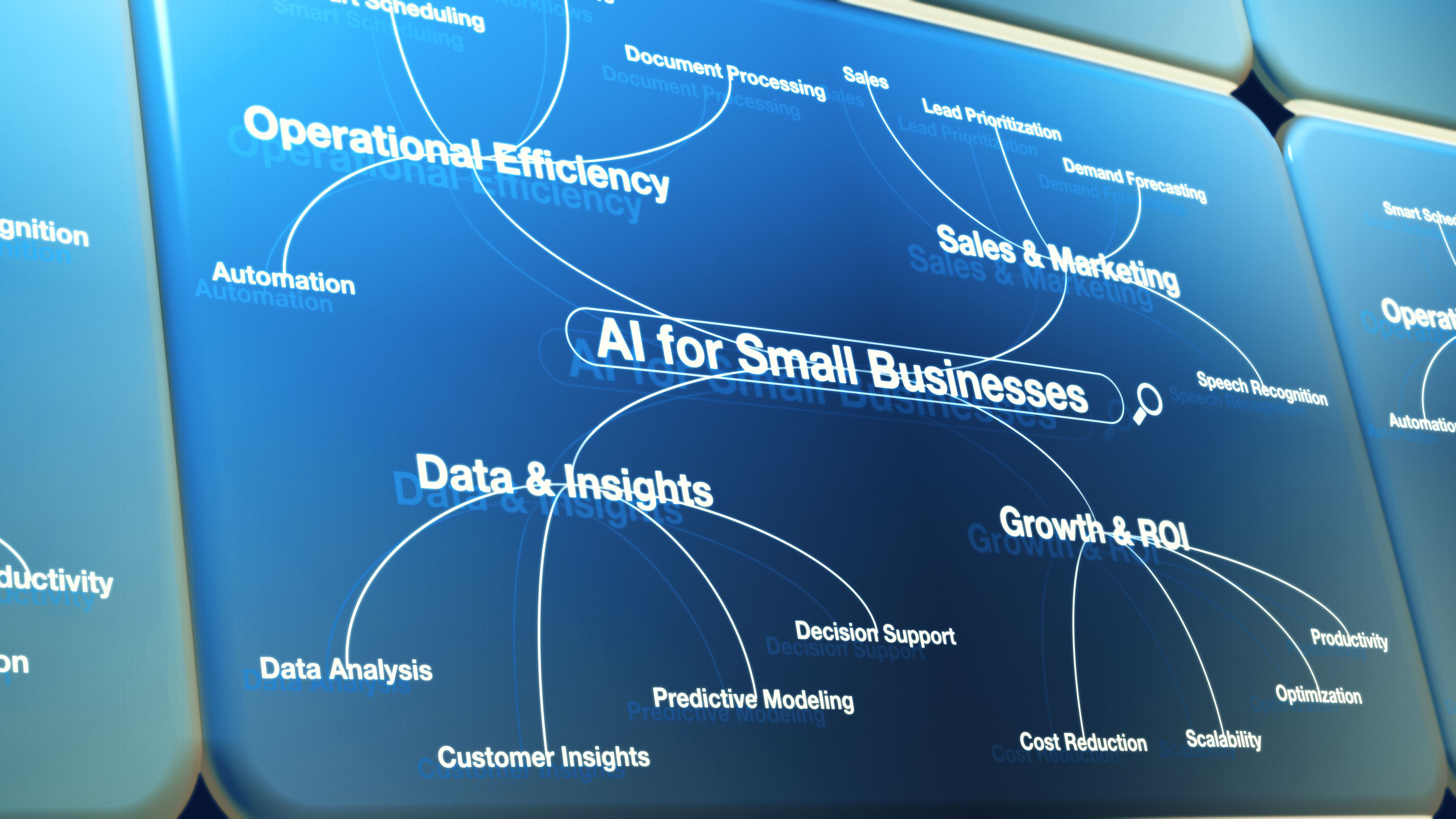
Enhancing Customer Experience with AI
One of the most significant advantages of AI is its ability to transform customer interactions. Chatbots, for example, offer immediate responses to customer inquiries, ensuring that businesses can maintain high levels of service without overextending their human resources. This leads to improved customer satisfaction and loyalty.
Additionally, AI-driven analytics can help businesses understand customer behaviors and preferences. By analyzing data patterns, businesses can tailor their offerings and marketing strategies to better meet customer needs, fostering a more personalized experience.

Streamlining Operations for Efficiency
AI tools can automate repetitive tasks, such as inventory management and scheduling, which can significantly reduce overhead costs and minimize human error. This operational efficiency enables small businesses to focus on their core competencies and innovate in their product or service offerings.
Moreover, AI-powered solutions can help in optimizing supply chain processes. By predicting demand and managing stock levels accurately, businesses can avoid overproduction and reduce waste, leading to cost savings.

Driving Sales and Marketing Efforts
AI can revolutionize sales and marketing strategies by providing actionable insights through data analysis. Predictive analytics, for instance, can identify potential leads and suggest the best approaches to convert these leads into customers.
Marketing automation platforms powered by AI can segment audiences and personalize campaigns, ensuring that marketing efforts are targeted and effective. This increases the return on investment and enhances brand visibility.

Implementing AI: A Step-by-Step Approach
For small businesses looking to integrate AI, it’s crucial to start with a clear plan. Begin by identifying areas where AI can have the most impact, such as customer service or inventory management. Research available AI tools and platforms that align with your business needs and budget.
- Assess business processes to identify areas for AI integration.
- Choose the right AI tools based on specific needs.
- Train staff to work alongside AI technologies effectively.
- Monitor AI performance and make adjustments as needed.
Overcoming Challenges in AI Adoption
While AI offers numerous benefits, small businesses may face challenges in adoption, including budget constraints and lack of expertise. It is essential to approach AI implementation with a clear strategy and realistic expectations.
Partnering with technology providers or consulting firms can provide the necessary support and guidance. Additionally, small businesses should focus on building internal capabilities by training employees and fostering a culture of innovation.

The Future of AI in Small Business
As AI technology continues to evolve, it will play an increasingly pivotal role in shaping the future of small businesses. From enhancing competitiveness to fostering innovation, AI holds the potential to transform how businesses operate and engage with customers.
By embracing AI, small businesses can not only improve their current operations but also position themselves for long-term success in an ever-changing market landscape.